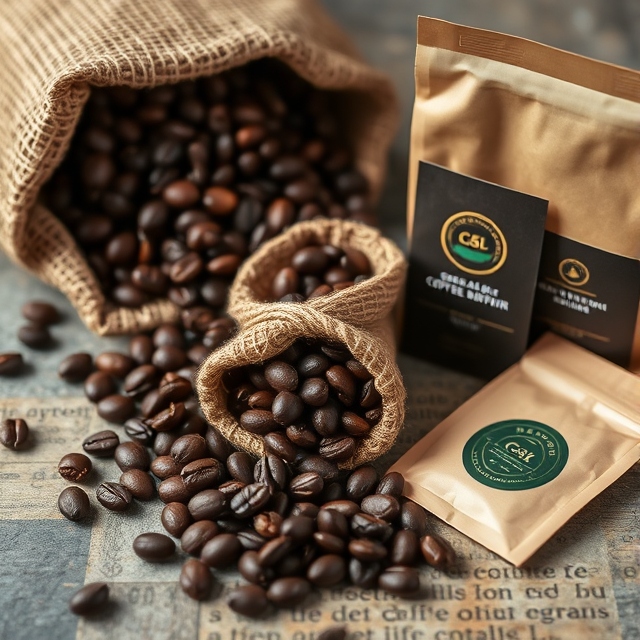
Fair Trade coffee is coffee connected to standards intended to support fairer trading relationships and working conditions within participating supply chains. It is useful to understand what Fair Trade means separately from terms such as organic and specialty coffee because these labels describe different aspects of a coffee product.
For shoppers comparing specialty coffees, understanding these distinctions can make labels easier to interpret. Instead of treating every certification or quality term as the same thing, buyers can consider sourcing, production standards, bean characteristics, roast style, and brewing needs separately.
What Does Fair Trade Coffee Mean?
Fair Trade refers to a system of standards and trading practices designed around participating producers, workers, businesses, and buyers in the supply chain.
The exact requirements depend on the Fair Trade program and certification involved. However, the broader idea is to establish defined conditions for trading relationships rather than leaving every commercial arrangement to ordinary market transactions.
When evaluating a coffee labeled Fair Trade, look for information about the relevant certification or program. This provides more useful context than assuming that the words on the package describe every aspect of production.
Fair Trade vs Organic Coffee
Fair Trade and organic are not the same certification.
Organic standards primarily concern agricultural production and related handling requirements. Fair Trade focuses on trading conditions and standards within participating supply chains.
This means a coffee can be Fair Trade without being certified organic, and an organic coffee does not automatically have Fair Trade certification.
If both characteristics matter to you, check the packaging or product information for each separately.
What Is Specialty Coffee?
Specialty coffee generally refers to coffee distinguished by quality and identifiable characteristics. These characteristics can involve origin, variety, processing, roasting, preparation, and the sensory qualities of the finished coffee.
The term “specialty” therefore describes a different dimension from Fair Trade.
A coffee can have a specialty positioning while also participating in a Fair Trade program. Conversely, Fair Trade status by itself does not tell you everything about the coffee’s flavor, roast level, or brewing requirements.
Understanding this difference helps prevent broad labels from being treated as complete descriptions of a product.
How Should You Read Coffee Certifications?
When comparing coffee products, start by identifying exactly what each certification or claim represents.
Ask:
- What organization or certification program is identified?
- What part of the supply chain does the certification address?
- Is the coffee also certified organic?
- Does the product provide information about its origin?
- What bean variety is used?
- What roast style does it have?
- Is processing information available?
This approach makes it easier to separate verified production or sourcing information from general marketing language.
Fair Trade and Coffee Sourcing
Sourcing information can add another useful layer when choosing specialty coffee.
A package may identify a country, region, cooperative, farm, or other source. These details can help buyers understand where the coffee comes from and provide context for comparing different products.
Sourcing and certification should still be considered separately. Knowing the origin of a coffee does not automatically establish its Fair Trade status, just as Fair Trade status does not by itself describe the coffee’s origin or flavor.
The strongest product information gives shoppers several of these details rather than relying on one broad description.
What About Fair Trade White Coffee?
Unusual roast styles can also be evaluated through the same framework. A very lightly roasted coffee may have distinctive characteristics related to its roast development, density, flavor, and brewing behavior.
For shoppers exploring this category, Fair Trade white coffee provides an example of a coffee positioned around a distinctive white-coffee roast style alongside Fair Trade considerations.
The important point is to evaluate the Fair Trade information separately from the roast style. Fair Trade does not determine whether a coffee is light, medium, or dark roasted.
What Should You Consider When Choosing Specialty Coffee?
Once the major terms are understood, choosing coffee becomes more straightforward.
1. Check the Certification
If Fair Trade matters to you, look for clear information about the applicable certification or program.
2. Examine the Bean
Look for information about the coffee variety, such as Arabica, and consider whether the product provides useful origin details.
3. Understand the Roast
Roast level can significantly influence aroma, flavor, body, color, and brewing behavior. An exceptionally light roast may behave differently from a traditional medium or dark roast.
4. Consider Processing
Processing methods can influence the characteristics of the finished coffee. When the information is available, it can help you compare products with similar certifications but different flavor profiles.
5. Match It to Your Brewing Method
Espresso, drip, pour-over, and French press require different approaches to grinding and extraction. Check whether the coffee is available in a suitable grind or whether your equipment can handle the beans effectively.
Are Fair Trade and Specialty Coffee the Same Thing?
No. Fair Trade and specialty coffee describe different aspects of coffee.
Fair Trade relates to standards and trading relationships within participating supply chains. Specialty coffee relates more closely to quality and distinctive coffee characteristics.
A single coffee can have both attributes, but one should not be assumed simply because the other is present.
This distinction is useful because it allows shoppers to evaluate coffee using several independent criteria instead of relying on one label as a complete measure of the product.
Making an Informed Coffee Choice
Fair Trade certification, organic standards, specialty coffee characteristics, origin, processing, and roast style each provide different information. Understanding what each one means makes coffee labels easier to evaluate.
Rather than choosing a coffee based on a single term, consider the full picture: how it was sourced, what certifications apply, what type of beans it contains, how it was roasted, and whether it fits your preferred brewing method.
That approach gives coffee buyers a clearer way to compare products while choosing coffees that align with both their sourcing priorities and their taste preferences.

