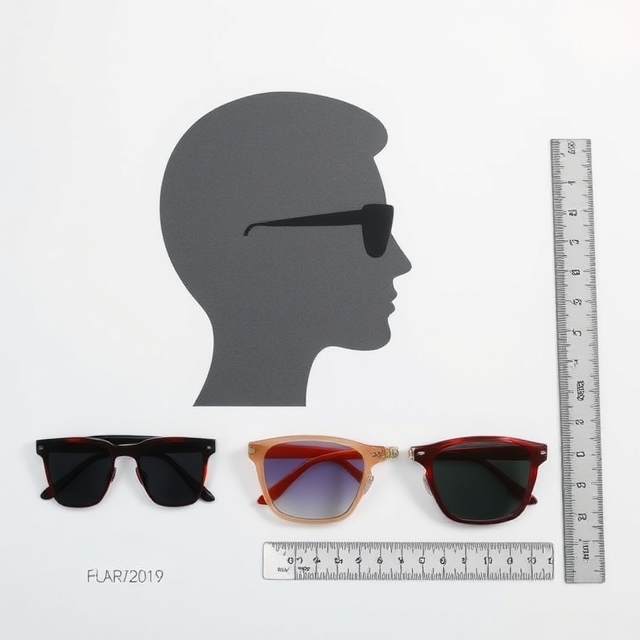
Choosing the right sunglasses frame width is one of the simplest ways to improve both comfort and appearance. A pair can have the perfect lens color and an attractive shape, yet still look awkward or feel uncomfortable if the frame is too narrow or too wide for your face.
Frame width affects more than appearance. It influences how the glasses sit across your temples, where the lenses align with your eyes, and how balanced the sunglasses look from the front. Understanding a few basic measurements makes it easier to compare different styles and find a pair that feels natural.
What Is Sunglasses Frame Width?
Sunglasses frame width refers primarily to the overall horizontal measurement of the frame, usually taken from one outer edge to the other. Depending on the manufacturer, product measurements may also list lens width, bridge width, and temple length separately.
These measurements work together:
- Frame width: The overall width across the front of the sunglasses.
- Lens width: The horizontal measurement of one lens.
- Bridge width: The space between the two lenses.
- Temple length: The length of the arms that extend toward the ears.
A useful frame should sit securely without creating excessive pressure at the temples or sliding down the nose.
How Should Sunglasses Fit Across Your Face?
The frame should generally sit comfortably across the face without appearing noticeably squeezed or stretched.
If the frame is too narrow, the temples may press against the sides of your head, and the outer edges of the frame can appear visually cramped. If it is too wide, the sunglasses may slide, leave excessive space near the temples, or look disproportionate to your features.
A good fit usually has these characteristics:
- The frame rests comfortably without strong pressure.
- The eyes sit reasonably well within the lens openings.
- The bridge stays stable on the nose.
- The temples extend toward the ears without excessive bending.
- The frame does not constantly slide forward when you move.
Comfort should always be considered alongside style because sunglasses are accessories designed to be worn for extended periods.
Sunglasses Frame Width and Face Proportion
Face shape can help narrow your choices, but proportion is often more useful than following rigid style rules.
For example, someone with a smaller face may find that an extremely wide frame overwhelms their features. On the other hand, a very narrow frame can look undersized on a broader face.
This does not mean that every person must choose a frame matching a specific measurement. Personal style can intentionally use oversized or narrow proportions. The important point is understanding the visual effect before buying.
Smaller Faces
Narrower or medium-width frames can create a balanced appearance on smaller faces. Compact round, oval, rectangular, and browline designs can work well when their proportions do not extend excessively beyond the face.
Wider Faces
Medium-to-wide frames may provide more balanced coverage on broader faces. Square, geometric, pilot, and larger rounded designs can create a stronger visual presence without looking undersized.
Longer Faces
Lens height becomes particularly relevant for longer facial proportions. A frame with slightly deeper lenses can create more visual balance than an extremely shallow design.
Measure Before You Buy Sunglasses Online
When shopping online, measurements become especially useful because you cannot physically try the frame on before purchasing.
Start by checking the product measurements provided by the seller. If you already own a pair that fits well, measure its frame width and compare those numbers with the new pair.
Another practical method is to look at the markings printed on the inside of an existing frame. Many sunglasses include measurements for lens width, bridge width, and temple length. These numbers give you a useful reference point when comparing new designs.
However, measurements should not be treated as the only deciding factor. Different frame shapes can occupy space differently even when their listed widths are similar.
How Frame Shape Changes Perceived Width
Two sunglasses with similar measurements can look completely different because of their shape.
A round frame may appear softer and more compact, while a square frame with thick edges can create a stronger visual footprint. Oversized lenses can also make a frame feel larger even when the total width is comparable to another pair.
This is particularly important when exploring retro frame styles. Vintage-inspired designs often use distinctive proportions, from oversized rounded lenses to narrower rectangular silhouettes. Looking at both the measurements and the shape helps you understand how a pair will actually appear when worn.
Don’t Forget the Bridge Fit
Frame width gets most of the attention, but the bridge is equally important for stability.
A bridge that does not suit your nose can cause the sunglasses to slide downward or sit too high. When comparing frames, consider how the bridge connects the two lenses and whether its width appears appropriate for your facial proportions.
The right bridge should allow the sunglasses to sit securely without requiring constant adjustment.
Frame Width, Materials, and Visual Weight
Material can also change how wide or substantial sunglasses appear.
Thick acetate frames often create a bold visual effect, even when their measurements are moderate. Thin metal frames may look lighter and less dominant at a similar width. Acetate-and-metal combinations can sit somewhere between these extremes.
Color also affects perception. Dark frames can create a stronger outline around the face, while transparent or lighter frames may appear visually lighter.
Therefore, when comparing sunglasses frame width, consider three things together: the actual measurement, the frame shape, and the visual weight of the construction.
A Simple Frame-Width Checklist
Before buying sunglasses, ask yourself these questions:
- What width fits me comfortably now? Use an existing pair as a reference if possible.
- Where does the frame sit relative to my temples? It should not create uncomfortable pressure.
- Are my eyes positioned naturally inside the lenses? Extreme positioning can indicate an unsuitable frame.
- Does the shape change how large the frame appears? Thick rims and oversized lenses can make a moderate width look much bolder.
- Does the style suit my intended look? A practical fit can still have plenty of personality.
- Are the measurements available online? Compare them with a pair you already know fits well.
What Frame Width Should You Choose?
There is no single sunglasses frame width that works for everyone. The right choice depends on your facial proportions, existing frame measurements, preferred style, and how the sunglasses sit when worn.
For everyday sunglasses, start with a width that resembles a pair you already find comfortable. Then consider whether you want a similar proportion or a deliberate change, such as moving toward an oversized retro silhouette or a slimmer modern frame.
The best result comes from treating measurements as a starting point rather than a rigid rule. Once you understand frame width, lens dimensions, bridge fit, shape, and visual weight, comparing sunglasses online becomes much easier—and you can choose distinctive styles without sacrificing comfort.

